Securing Brand Dominance with Strategic Link Building
Social media and online search engine have ended up being more linked than ever before. In 2026, social signals, typically described as likes, shares, remarks, reposts, saves, and brand name discusses, play a substantial function in shaping online exposure. While social signals do not function as direct ranking consider a simply algorithmic sense, they heavily affect how online search engine examine content significance, authority, and trustworthiness.
The areas that follow break down the mechanics of social signals, their effect on SEO, and actionable methods to take advantage of them for long-term presence. This comprehensive guide explores how SEO social signals, user behavior, and AI-driven search experiences intersect, and why brand names must take note if they want stronger rankings.
These can consist of: Likes and reactions Shares and reposts Remarks Conserves and bookmarks Fan counts Brand discusses Click-throughs from social platforms Viral trends and hashtag involvement By 2026, social signals for SEO have progressed far beyond standard engagement. They now catch audience intent, material effectiveness, and brand influence, key components that not only help material rank better but also improve brand name image.
build .gov backlinksHigh-engagement content typically creates backlinks, which are direct ranking aspects. Social network enhances content distribution, increasing brand name exposure and organic reach. Google's AI-powered search results page now reward content that demonstrates competence, neighborhood interaction, and real-world importance. Take Action Discover more about our and options readily available to you, or contact our specialists to talk about how we can realize your vision.
Social Signals vs Traditional SEO Strategies
The more users conserve, share, and connect with the content, the more powerful the indirect SEO benefits. Social platforms reward accounts that stimulate meaningful discussion, ultimately increasing presence and click-throughs to the website.
Develop groups, host live sessions, or run obstacles that bring individuals together. Community-driven brands enjoy more powerful loyalty, more regular sharing, and greater branded search volume, all of which support SEO. Deal with the social profiles like search-optimized landing pages. Use clear branding, tactical keywords, and constant messaging across all platforms. Add links to your site, blog site, or landing pages, and ensure your bio plainly communicates your worth proposition, specifically if you are reinforcing a strong B2B branding strategy.
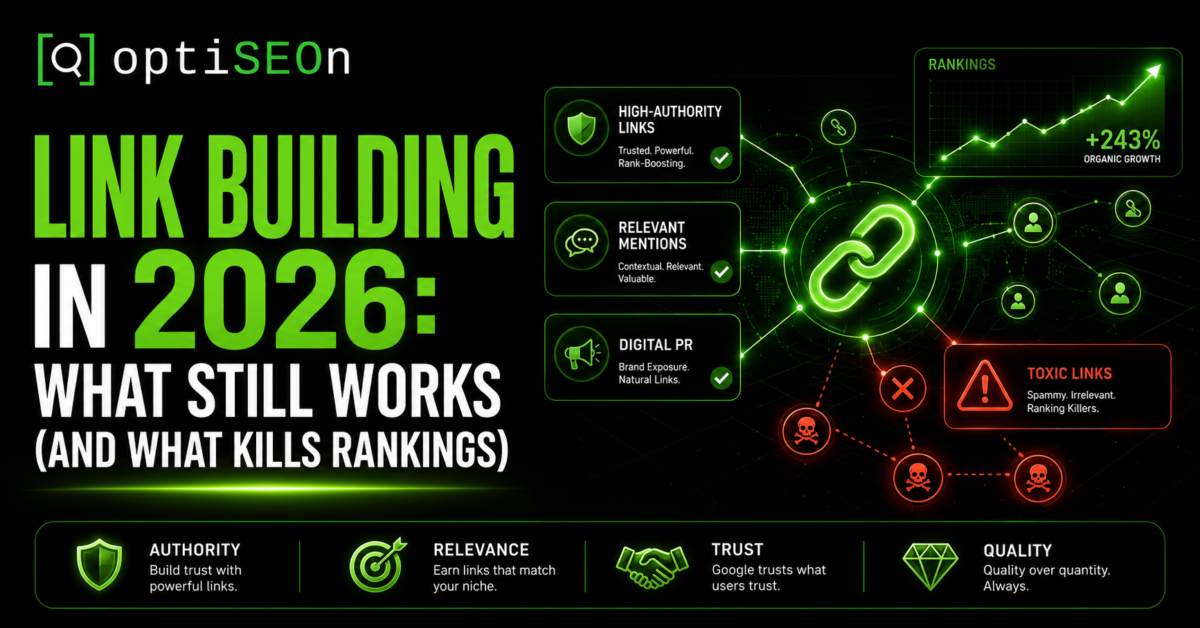
When supported by strategic Off-Page and the best Off-page SEO tools, the social material can bring in high-quality backlinks, amplify online exposure, and reinforce overall domain authority. Partnering with influencers dramatically magnifies reach, trust, and reliability. Influencer-driven material often results in increased brand searches, higher engagement rates, and valuable recommendation traffic, all of which contribute indirectly to better SEO performance.
Merging Manual Outreach with Social Engagement
Consistency is key to remaining top-of-mind on social platforms. Evaluating what resonates most helps improve the ongoing technique, guaranteeing your social media content continuously supports SEO objectives.
A unified method guarantees that every piece of content, whether published on your website or socials, collaborates to improve rankings and general digital efficiency. Transform high-performing article into carousels, videos, or quote graphics. Repurposing boosts reach, reinforces essential subjects you wish to rank for, and assists build topical authority.
UGC develops social proof, improves brand name trust, and frequently leads to more branded searches, an important SEO signal. On YouTube and Pinterest, keyword optimization works likewise to standard SEO, assisting the material rank within those search ecosystems.
AI-powered search now: Understands patterns faster Examines belief from social conversations Discovers whether material is being shared for positive or unfavorable factors Gains from influencer-driven engagement patterns Surface areas material based on broader contextual relationships This indicates that social signals no longer just show popularity; they form AI-based content summaries, included results, and conversational search outputs.
This effect is a lot more pronounced in AI in B2B marketing, where decision-makers count on authoritative, high-trust info sources. When the brand's insights, case research studies, and thought-leadership pieces gain traction on LinkedIn, X, or niche market neighborhoods, AI systems interpret these signals as signs of expertise and authority, boosting the visibility in complex B2B search journeys.
Gaining Brand Dominance with Quality Link Building
AI designs take a look at: User belief from remarks Patterns of sharing and engagement The authority of individuals engaging with the material Virality prospective Niche-based neighborhoods and discussions Browse engines integrate AIO methodologies to analyze broader material environments, not just keywords and backlinks. Social signals end up being part of the "experience layer" that AI assesses to identify whether content is beneficial, trustworthy, and worthwhile of ranking.